Scientific Research Center
“Advancing knowledge, innovation, and sustainability through interdisciplinary science.”
Al-Qasemi Science Research Center was launched in 2008 to foster high-level, interdisciplinary research across biology, chemistry, computer science, and engineering. Building on a strong tradition in biomedical research, including medicinal plants, drug discovery, and molecular biology, oday, the Center has expanded its focus to encompass Agrobiology, irrigation, environmental engineering, sustainability, and renewable energy research. The Center conducts both basic and applied research, leveraging state-of-the-art technologies and highly trained personnel.
Current research leaders include: head of Al-Qasemi Science Research Center Dr. Sare Asli (Environmental Engineering and Agrobiology), Prof. Bashar Saad (Inflammation and Medicinal Plants), Prof. Mouhammad Zeidan (Molecular Genetics, Plant Viruses Pathogens Diagnostics, Natural compounds for combating Agricultural Pests), Prof. Hilal Zaid (Type II Diabetes – novel anti-diabetic drugs from medicinal plants), and Dr. Esther Magadley (Agrivoltaics and Renewable Energy).
The Al-Qasemi Science Research Center is an integral part of Al-Qasemi Academic College, whose vision is to create an academic environment that fosters high-quality intellectual achievement.
Our Team
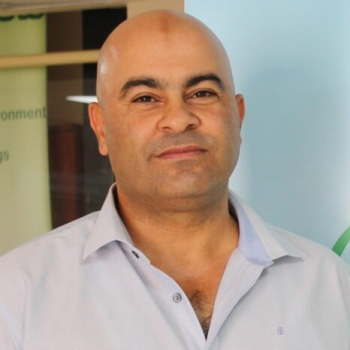
Dr Sare Asli
Director, Science Research Center
Contact Email: [email protected]
Research focus: Environmental Engineering and Agrobiology, Science Education
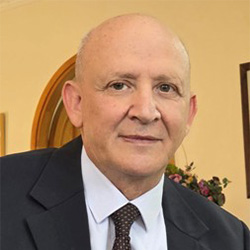
Prof. Bashar Saad
Senior Researcher
Contact Email: [email protected]
Research focus: Traditional Arab-Islamic medicine, Medicinal plants, Integration of complementary and modern medicine
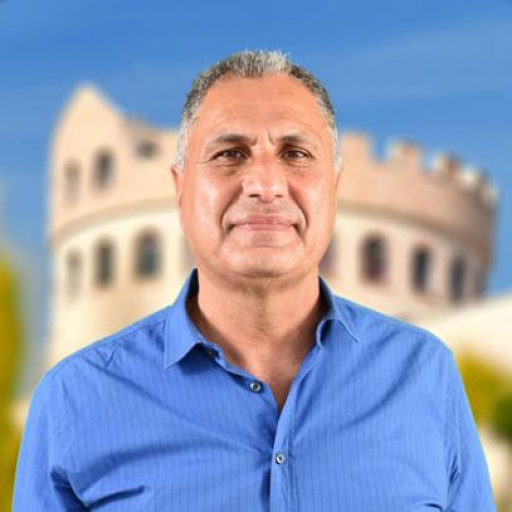
Prof. Mouhammad Zeidan
Senior Researcher
Contact Email: [email protected]
Research focus: Molecular Genetics, Plant Viruses Pathogens Diagnostics, Natural compounds for combating Agricultural Pests
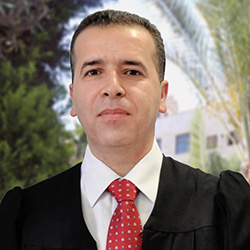
Prof. Hilal Zaid
Senior Researcher
Contact Email: [email protected]
Research focus: Isolation, protein targets, and mechanisms of action of anti-diabetic and anti-cancer active ingredients from medicinal plants.
Dr. Esther Magadley
Senior Researcher
Contact Email: [email protected]
Research focus: Agrivoltaics, Solar Energy, Renewable Energy
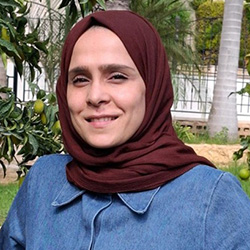
Short Bio - Dr Sare Asli
Dr. Sare Asli is the Director of the Research and Development (R&D) Center at Al-Qasemi Academic College and Head of the Science and Technology Department. His expertise lies in environmental engineering, agrobiology, and science education. He leads applied and interdisciplinary research focused on renewable energy, wastewater treatment, and sustainable agriculture.
Dr. Asli has been awarded several national grants from the Ministries of Environmental Protection, Energy and Infrastructure, and Agriculture and Rural Development. His work aims to advance sustainability and scientific literacy through research, education, and innovation within Arab communities in Israel.
Research statement - Dr Sare Asli
Dr. Asli completed his Ph.D. in Civil and Environmental Engineering at the Technion – Israel Institute of Technology in 2010. His doctoral research, titled “Effects of Colloids in the Root Environment on Apoplastic Water Transport and Plant Growth,” uncovered novel physical effects of colloids on plant water transport and highlighted the environmental implications of using treated wastewater in agriculture.
His scientific specialization bridges civil, environmental, and agricultural engineering, with a strong focus on renewable energy, wastewater treatment, sustainable agriculture, and circular economy solutions. Dr. Asli has led several applied research projects funded by national ministries, including the Ministries of Environmental Protection, Energy and Infrastructure, and Agriculture and Rural Development. These projects address key environmental challenges, including anaerobic treatment processes, biochar production, energy recovery, and soil and water remediation.
Beyond his engineering research, Dr. Asli is deeply engaged in science education and curriculum development. His initiatives aim to strengthen scientific literacy and environmental awareness among students and educators through experiential learning, interdisciplinary research, and the integration of sustainability principles into education. Recently, one of his educational programs was approved by the Ministry of Education for implementation in schools, reflecting his commitment to connecting academic research with educational practice.
Looking ahead, Dr. Asli’s research vision centers on promoting sustainability-oriented science education, advancing environmental engineering solutions, and developing applied technologies that contribute to a greener and more resilient society.
Selected Publications - Dr Sare Asli
- Asli, Sare. (2025). Enhancing Wind Energy Awareness Among Fourth-Grade Students: The Impact of Comic-Based Learning on Environmental Education." Sustainability 17.10 (2025): 4636.
- Asli S., Zaben R., Hofstein A., Hugerat M. (2025). A Comparison between Arab and Jewish Preservice Teachers' Knowledge Levels, Risk Perceptions, and Intentions to Use Renewable Energy. Journal of Further and Higher Education.
- Khazen, M., Asli, S., Basheer, A., & Hugerat, M. (2025). The Impact of a Sustainability Education Initiative on Pre-Service Teachers: Changes in Environmental Attitudes, Willingness to Act, and Ecological Footprint. Sustainability, 17(12), 5621.
- Diab, T., Hejazi, A., Hugerat, M., Asli, S., & Diab, M. (2025). Lentil Hydrothermal Carbonization: A Dual Solution for Water Purification and Growth Enhancement. Circular Economy and Sustainability, 1-13.
- Khazen M., Asli S., Hofstein A., Hugerat M. (2025). Effect of an Educational Initiative for Sustainability on Pre-Service Teachers’ Ethical Decision-Making Skills, Motivation to Learn Science, and Learning Atmosphere in the Classroom. Sustainability 2025, 17, 992.
- Asli, S. (2024). A bioreactor for treating fat-rich wastewater with a unique biological additive to optimize decomposition processes (Pending Patent Application). United States Patent and Trademark Office (USPTO).
- Abedalkarem, M., Dabbour, O., & Asli, S. (2024). Enhancing methane yield and shifting microbial communities in anaerobic reactors treating lipid-rich dairy wastewater through exogenous lipase addition. Preparative Biochemistry & Biotechnology, 1-12. https://doi.org/10.1080/10826068.2024.2399042.
- Asli S., Abu-Alhiga R., Teti T., Algmal S., Hofstein, A. Shehadeh-Nasser A., Hugerat M. (2024). How Participation in a Teachers & EcoPedagogy Workshop Affects the Promotion of Teachers’ Environmental Education and Organizational Concepts. European Journal of Educational Research. 13, (1), 341 - 352. ISSN: 2165-8714. https://doi.org/10.12973/eu-jer.13.1.341.
- Dong, S., Asli, S., Hur, K., & Massalha, N. (2024). Ozonation for improved sludge reduction, cytotoxicity and estrogenicity control in anaerobic digestion. Bioresource Technology Reports, 101879. https://doi.org/10.1016/j.biteb.2024.101879
- Khalifa N., Mahamed M., Egbaria A., Mahajna A., Mahajna M., Eigbaria R., Eigbaria J., Abu Raed N., Mahajna A., Deeb U., Shehadeh Nasser A., Asli S. (2024). Phenolic compounds originating from olive mill wastewater enhance the growth rate and the plant development of basil plants (Ocimum basilicum) under moderated salt stress. Ecology and Environment. 14(4), (in Hebrew).
- Asli S., Diab M., Mara’I H., Hofstein A., Hugerat M. (2024). Public Knowledge, Attitudes, and Behaviors Toward Educational Renewable Energy Sources in Arab Society in Israel. Science & Education. https://doi.org/10.1007/s11191-024-00582-4
- Morad, S., Abo Ali, S., Diab, L., Abedelrahman, R., Amar, F., Asli, S., ... & Diab, M. (2023). Carbon filtration: harnessing cotton's power to purify drinking water. Water Quality Research Journal, 58(4), 301-311. https://doi.org/10.2166/wqrj.2023.013.
- Asli S., Sefi Z., Shehadeh-Nasser A., Hofstein A. & Hugerat M. (2023). Learning Styles of a Story about Sustainability: Their Effect on the Level of Questioning of Students in Primary Education. Journal of Baltic Science Education, 22(6), 1011-1024. https://doi.org/10.33225/jbse/23.22.1011.
- Asli, S., Diab, M., Hugerat, M., & Haj-Zaroubi, M. (2023). Hydroxytyrosol increases salt tolerance of maize and wheat by expanding the pore diameter on root cell wall. Theoretical and Experimental Plant Physiology, 1-12. https://doi.org/10.1007/s40626-023-00286-0.
- Asli S., Basheer A., Hugerat M. (2023). Acid-Base Chemistry Experiments and Societal, Individual, and Vocational Aspects of Students’ Learning. Creative Education 14(5), 943-960. https://doi.org/10.4236/ce.2023.145060.
- Asli, S., Massalha, N., Diab, M., & Hugerat, M. (2022). Phytotoxic effects of treated wastewater used for irrigation on root hydraulic conductivity and plant growth of maize seedlings (Zea mays L. PR 32w86). Irrigation Science, 40(6), 817-828. https://doi.org/10.1007/s00271-022-00793-z.
- Asli S., Abu-Alhiga R., Algmal S., Hugerat M. (2022). Teaching and Learning Bee Extinction Through Project-Based Learning (PBL) and Its Impact on the Classroom Climate (CL) Among Eighth-Grader Students. Journal of Sustainability, 14, 7477. https://doi.org/10.3390/su14127477.
- Asli, S., Eid, R., & Hugerat, M. (2022). A novel pretreatment biotechnology for increasing methane yield from lipid-rich wastewater based on combination of hydrolytic enzymes with Candida rugosa fungus. Preparative Biochemistry & Biotechnology, 52(1), 19-29. https://doi.org/10.1080/10826068.2021.1901233. Epub ahead of print. PMID: 33787468.
- Rayan, M., Shadafny, S., Falah, A., Falah, M., Abu-Lafi, S., Asli, S., & Rayan, A. (2022). A Novel Docetaxel-Biotin Chemical Conjugate for Prostate Cancer Treatment. Molecules, 27(3), 961. https://doi.org/10.3390/molecules27030961.
- Rauch, F., Hugerat, M., Dulle, M., Watted, N., Kortam, N., & Asli, S. (2022). Beliefs of High School Students and Their Willingness to Act in Arab and Jewish Communities in Israel: the case of global warming. APEduC Revista-Investigação e Práticas em Educação em Ciências, Matemática e Tecnologia, 3(1), 25-40.
Short Bio - Prof. Bashar Saad
Prof. Bashar Saad is a professor and researcher specializing in cellular and immunobiology, as well as traditional Arab-Islamic medicine. He earned his PhD in biochemical immunology from the University of Zurich, Switzerland, and has conducted research at prestigious institutions including ETH Zurich, contributing to the development of advanced liver cell culture systems and studies of neuro-immune interactions. His current research focuses on assessing the efficacy and safety of medicinal plants for the treatment of diabetes, cancer, and chronic inflammation. Prof. Saad has published over 200 peer-reviewed articles and authored two scientific books with international publishers (Wiley and Springer) on traditional medicine and medicinal plants. Some of his projects include: Arab-Islamic medicine in cancer treatment: a multi-country study in the Middle East, Safety evaluation of plants used in traditional remedies for diabetes and obesity, Complementary medicine to support cancer treatment: a collaborative project across 16 countries, Efficacy of honey in dermatological treatments: a project in collaboration with researchers from Morocco.
Selected Publications - Prof. Bashar Saad
- Saad B, & Said O, (2011) Greco-Arab and Islamic Herbal Medicine: Traditional System, Ethics, Safety, Efficacy and Regulatory Issues, Wiley-Blackwell John Wiley & Sons, Inc.
- Mansour B, Shaheen N, Kmail A, Haggag N, Salah Saad, Omar Sadiq, Ramez Zaid, Bashar Saad (2023) Anti-inflammatory and anti-adipogenesis effects of Alchemilla vulgaris L., Salvia officinalis L., and Vitis vinifera L., in THP-1-derived macrophages and 3T3-L1 cell line. Immuno 3:148-159
- Saad, B., 2023. A Review of the Anti-Obesity Effects of Wild Edible Plants in the Mediterranean Diet and Their Active Compounds: From Traditional Uses to Action Mechanisms and Therapeutic Targets. International Journal of Molecular Sciences, 24(16), p.12641.
- Abu-Farich B, Hamarshi H, Masalha M, Aboulghazi A, El Ouassete M, Kmail A, Imtara H, Badiaa Lyoussi B, Saad B. (2024) Polyphenol Contents, Antibacterial and Antioxidant Effects of Four Palestinian Honey Samples, and their Anticancer Effects on Human Breast Cancer Cells. J Pure Appl Microbiol. 2024;18(2):1372-1385
- Abu-Farich B, Masalha M, Hamarshi H, El Ghouizi A, Aboulghazi A, El Ouassete M, Weldali D, Lyoussi B, Saad B (2025) In vitro evaluation of Hyphaene thebaica honey as a multitarget therapeutic product, Microbes & Immunity doi: 10.36922/mi.4994
- Imtara, H., Abujaber, F., Siouri, F., Tumeh, A., & Saad, B. (2025). Chemical composition, antioxidant, and anticancer activities of Thymus capitatus essential oil: Experimental and computational approaches. Phyton-Int J Exp Bot. 2025; Doi:10.32604/phyton.2025.063403
- El-yagoubi K, Masalha M, Abu-Farich B, Touzani S, Lyoussi B, Saad B. (2025). Antibacterial Activity, Antioxidant Benefits, Chemical Composition, and Physicochemical Properties of Ziziphus jujuba Honey from Five Distinct Regions in Morocco. J Pure Appl Microbiol. 2025
- Saad B. (2025) Exploring natural products: Novel insights and therapeutic potential of plant-based compounds. Microbes & Immunity.doi: 10.36922/mi.4453
- Saad, B. Immunomodulatory and Anti-Inflammatory Properties of Honey and Bee Products. Immuno 2025, 5, 19. https://doi.org/10.3390/immuno5020019
- Saad, B., Kmail A, (2025) Olive Oil Polyphenols in Cancer: Molecular Mechanisms and Therapeutic Promise. Immuno 2025, 5, 36
Short Bio - Prof. Mouhammad Zeidan
Mouhammad Zeidan, Ph.D., is an Associate Professor of Plant Virology and Molecular Genetics, and former Dean of the Faculty of Sciences at Al-Qasemi Academic College. Since 2013, he has led the Plant Virology Diagnostic Unit at the Plant Protection and Inspection Services, Israel Ministry of Agriculture and Food Security. He received his Ph.D. in Molecular Genetics from the Hebrew University of Jerusalem, where he has also taught courses in molecular biology and genetic engineering.
Over the past three decades, Prof. Zeidan has advanced the detection and management of plant viruses and virus-like pathogens using molecular tools, including multiplex PCR, real-time PCR, and next-generation sequencing. His work has resulted in the discovery of numerous new viruses and viroids in crops, including grapevine, cucurbits, citrus, sweet potato, and, recently, in stone fruit, passiflora and persimmon. Additionally, he has pursued innovative, interdisciplinary research that links chemo-informatics and molecular biology to explore plant-derived compounds with applications in oral health, agriculture, and cancer therapy. He has supervised graduate students, contributed to international diagnostic guidelines as an EPPO expert, and served as a reviewer for leading journals and research funds. Prof. Zeidan has authored and co-authored numerous publications in plant pathology, molecular medicine, and biotechnology, and continues to expand his research on plant-virus interactions and bioactive natural products.
Selected Publications - Prof. Mouhammad Zeidan
- Abu Lafi, S., Falah, M., Zeidan, M., Rayan, M., & Rayan, A. (2025). Expanding paclitaxel's therapeutic window: Investigating the pharmacokinetic, clinical formulation, and mechanistic aspects of paclitaxel lipoate conjugate. Oncology Letters, 29, 216. https://doi.org/10.3892/ol.2025.14962.
- Mehle, Nataša; Vučurović, Ana; Grausgruber-Groeger, Sabine; Lê Van, Amandine; Ruh, Mylène; Ziebell, Heiko; Fox, Adrian; Fowkes, Aimee; Abu-Ras, Ahmed; Zeidan, Mouhammad; Gershon, Tomer; Parrella, Giuseppe; Troiano, Elisa; Koenraadt, Harrie; Barnhoorn, Ruud; Delmiglio, Catia; Thompson, Jeremy; Shneyder, Yuri; Karimova, Elena; Kaiser, Marco; Frapolli, Michele; Souza Richards, Rose; Amato, Marcos; Rivera, Yazmin; Padmanabhan, Chellappan; Tiberini, Antonio; Manglli, Ariana; Grant, Neil; Webster, Wes; Constable, Fiona; Lopez Vernaza, Manuel; Quinn, Sarajane. (2025). Validation of molecular diagnostic methods for the detection and identification of tomato mottle mosaic virus (ToMMV-detect). https://drop.euphresco.net/data/af730655-4022-4e87-a952-b94cfda3a971
- Shai, A., Galouk, E., Miari, R., Tareef, H., Sammar, M., Zeidan, M., Rayan, A., Falah, M. (2022). Inhibiting mutant KRAS G12D gene expression using novel peptide nucleic acid-based antisense: A potential new drug candidate for pancreatic cancer. Oncol Lett.; 23(4):130.
- Giesbers, A., Roenhorst, A., Schenk, M., Barnhoorn, R., Tomassoli, L., Luigi, M., De Jonghe, K., Porcher, L., Gentit, P., Zeibell, H., Zeidan, M., Shargil, D., Grausgruber Groeger, S., Shneyder, Y., Mehle, N., Wattier, C., Baldwin, T., Danino, H., Davino, S., … Shimon, O. (2021). Validation of molecular tests for the detection of tomato brown rugose fruit virus (ToBRFV) in seeds of tomato and pepper. Zenodo. https://doi.org/10.5281/zenodo.5776210
- Zeidan M, Rayan M, Zeidan N, Falah M, Rayan A. (2017). Indexing Natural Products for Their Potential Anti-Diabetic Activity: Filtering and Mapping Discriminative Physicochemical Properties. Molecules. 2017;22(9).
- Avrahami-Moyal L, Tam Y, Brumin M, Prakash S, Leibman D, Pearlsman M, Bornstein M, Sela N, Zeidan M, Dar Z, Zig U, Gaba V (2017) Detection of Potato virus Y in industrial quantities of seed potatoes by TaqMan Real-Time PCR. Phytoparasitica 45:591 598.
- Anfoka G., Moshe A., Fridman L., Amrani L., Rotem O., Kolot M., Zeidan M., Czosnek H., & Gorovits R. (2016). Tomato yellow leaf curl virus infection mitigates the heat stress response of plants grown at high temperatures. Nature Sci. Rep. 6, 19715; 1-12.
- Pakkianathan, B.C., Kontsedalov, S., Lebedev, G., Mahadav, A., Zeidan, M., Czosnek, H., Ghanim, M. (2015). Replication of Tomato Yellow Leaf Curl Virus in Its Whitefly Vector, Bemisia tabaci. J. Virol. 89(19):9791-803.
- Prakash S, Tam, Y., Zeidan, M., Abu-Ras A., Gaba, V. (2013) First report of Sweet potato virus C infecting sweetpotato in Israel. New Disease Reports 28: 4.
- Zeidan M., and Haberman, A. (2013). Planning and executing survey for Plum Pox Potyvirus (causing Sharka Diseaese in Stone fruit) detection and eradication. Alon Hanotea, 69 October:14-20 (in Hebrew).
- Aboul-Ata, A.E., Mazyad, H., El-Attar, K. A., Soliman, A.M., Anfoka, G., Zeidan, M., Gorovits , R., Sobol, I., and Czosnek, H. (2011). Diagnosis and Control of Cereal Viruses in the Middle East. Advanced Virus Research 81: 34-61.
- Pasquini, G., Barba, M., Hadidi, A., Faggioli, F., Negri , R., Sobol, I. Tiberini, A., Caglyan, K., Mazyad, H., Anfoka, G., Ghanim, M., Zeidan, M.. and Czosnek, H. (2008). Microarray-based detection and genotyping of Plum pox virus. J. Virol. Methods 147:118-126.
- Czosnek H., Morin S., Rubinstein G., Fridman V., Zeidan, M. and Ghanim, M. (2001). Tomato yellow leaf curl virus, a sexually transmitted disease of whiteflies. In: Virus-Insect-Plant Interactions, Harris KF, Smith OP and Duffus JE Eds., Academic Press, New York, pp. 1-27. IF 1.27 .
- Zeidan M., and Ben-Zeev, I. (2000). Apple Viral diseases and Phytoplasmas. In “Growing Apple”, Zur A. and Gur, A. eds. Israel Board for Fruit Production and Marketing Publications. Hauser Publishers. 2000. Tel-Aviv. pp. 323-333. (in Hebrew).
Short Bio - Prof. Hilal Zaid
Prof. Hilal Zaid is a Professor of Biochemistry and Cell Biology at Al-Qasemi Academic College, where he leads the Cell Biology and Biochemistry Laboratory. He earned his PhD in Biochemistry and Molecular Biology from Ben-Gurion University of the Negev (Israel, 2005) and pursued postdoctoral research at the Banting and Best Department of Medical Research and the Hospital for Sick Children, University of Toronto (Canada).
After returning home, Dr. Zaid established his independent research group at the Al-Qasemi Research Center and the Arab American University in 2009. His work focuses on isolating and characterizing bioactive compounds from medicinal plants, identifying their molecular targets, and elucidating their mechanisms in anti-diabetic and metabolic pathways.
Dr. Zaid actively collaborates with international research groups in Europe and North America, including partners in France, Germany, and Canada, with joint projects exploring bioactive natural compounds and their therapeutic potential in diabetes and related metabolic disorders. He is also an active member of several international COST networks and scientific societies. He serves as an Editorial Board Member and Guest Editor for Oxidative Medicine and Cellular Longevity (IF 6.5), Cells (IF 5.1), Molecules (IF 4.4), and Current Drug Targets (IF 3.5), and regularly reviews for numerous international journals.
He has authored over 120 peer-reviewed publications and one book, accumulating more than 3,750 citations and an i10-index of 52 (Google Scholar, October 2025). His research has been supported by over $700,000 in national and international funding, and he has supervised numerous M.Sc. and Ph.D. students.
Selected Publications - Prof. Hilal Zaid
Full list of publications is available at the following Google Scholar link:
https://scholar.google.com/citations?hl=en&user=PIeyXusAAAAJ&view_op=list_works&sortby=pubdate
- Shanak S., Naim Sh., AlArdah B., Basalat N. and Zaid H. (2025) Ligand-Protein Docking of Phytochemicals in their Plausible Binding to Alpha-Amylase and Alpha-Glucosidase Enzymes and Ligand Bioavailability. Food Chemistry Advances, in press
- Alsharabaty H., Alayasi N., Jbarin S., Shanak S. and Zaid H. (2025) In Silico Evaluation via the Docking of Selected Anti-diabetic Phytochemicals on Proteins in the Insulin Signaling Pathway: PTP1B, IRS1 and PP2A. Int. J. of Data Mining and Bioinformatics, 29(1). 150-168; Impact factor 0.4
- Bassalat N., Abu Naim Sh., Barriah W., Labahn J., Shanak S. and Zaid H. (2024) In Vitro and In Silico Evaluation of Caffeic and Ferulic Acids Involvement in the Translocation of Glucose Transporter 4. Current proteomics 21(5), 487 – 498; Impact factor 0.8
- Bassalat N., Kadan S., Melamed S., Yaron T., Tietel Z., Karam D., Kmail A., Masalha M. & Zaid H. (2023). In Vivo and In Vitro Anti-diabetic Efficacy of Aqueous and Methanolic Extracts of Orthosiphon Stamineus Benth. Pharmaceutics 15 (3), 945; impact factor 6.3
- Zaid H., Shanak S. and Tamrakar A.K. (2022) Computer-Aided Drug Design of Natural Candidates for the Treatment of Non-Communicable Diseases. Evidence-Based Complementary and Alternative Medicine (eCAM), 2022, impact factor 2.6
- Shanak S., Basalat N., Kadan S., Barghash A., Arda M. and Zaid H. (2022). Drug discovery of plausible lead natural compounds that target the insulin signaling pathway: Bioinformatics approaches. Evidence-Based Complementary and Alternative Medicine (eCAM), 2022, impact factor 2.6
- Kadan S., Melamed S., Benvalid Sh, Tietel Z., Sasson Y & Zaid H. (2021). Gundelia tournefortii: fractionation, chemical composition and anti-diabetic efficacy. Molecules 26(13) 3785, 1-22, impact factor 4.9 (cited 1).
- Pandey J., Dev K., Chattopadhyay S., Kadan S., Sharma T., Maurya R., Sanyal S., Siddiqi M.I., Zaid H.(*), Tamrakar A.K.(*) (2021) β-Sitosterol-D-glucopyranoside mimics estrogenic properties and stimulates glucose utilization in skeletal muscle cells. Molecules, 26 (11) 3129, 1-16, impact factor 4.9 (*) corresponding authors. (cited 4).
- Adam B., Goen T., …[alphabetical listing] Zaid H. and Au W.W. (2021) From inequitable to sustainable e-waste processing for reduction of impact on human health and the environment. Environmental Research, 194: 110728; impact factor 6.5
- Mahajna H., Kadan, S., Tietel Z., Khasib S., Tumeh A., Saad B., Ginsberg D. and Zaid H. (2019) In vitro evaluation of chemically analyzed H.triquetrifolium extract efficacy in apoptosis induction and cell cycle arrest of HCT-116 colon cancer cell line. Molecules, 24(22): 1-19; impact factor 4.9
- Kadan S., Saad B., Sasson Y & Zaid H. (2016). In vitro evaluation of anti-diabetic activity and cytotoxicity of chemically analyzed Ocimum basilicum extracts. Food Chemistry Journal, 196, 1066-1074. Impact factor 7.5
- Daragmeh J., Barriah W., Saad B. and Zaid H. (2016). Analysis of PI3K pathway components in human cancers. Oncology Letters, 11, 2913-2918. Impact factor 3.0
- Rayan A., Falah M., Raiyn J., Da’adoosh B., Kadan S., Zaid H. & Goldblum A. (2013). Indexing molecules for their hERG liability. European Journal of Medicinal Chemistry, 65, 304-314. Impact factor 6.5
- Book: Saad B., Zaid H., Kadan S. & Shanak S. (2017). Anti-diabetes and Anti-obesity Medicinal Plants and Phytochemicals: Safety, Efficacy, and Action Mechanisms. Springer. Springer International Publishing AG 2017. ISBN 978-3-319-54101-3.
Short Bio - Dr. Esther Magadley
Dr. Magadley is senior researcher at Al-Qasemi Science Research Center. She earned her PhD from the University of Nottingham, UK in 2009, focusing on integrating combined heat and power (CHP) and renewable energy technologies into buildings. She has experience in both industry and academia, including work as a Building Services Engineer at a leading international engineering consultancy. Her research work over the last 8 years has been on crop-responsive agrivoltaic systems integrating photovoltaics with greenhouse agriculture to optimize both crop production and renewable energy generation. She has led and contributed to numerous funded research projects, including REGACE Greenhouse Crop Responsive Tracking System (Horizon Europe), COMGRAV Competitive Greenhouse Agrivoltaics (Solar.Era-net), and projects funded by the Israel Innovation Authority and the Ministries of Energy and Agriculture on organic and semi-transparent photovoltaics. She holds a US patent on a novel agrivoltaic tracking technologyand co-founded TriSolar, a start-up company focusing on agrivoltaic technology.
Selected Publications - Dr. Esther Magadley
- Arrangement of Photovoltaic Panels and System for Optimizing Angular positioning of Photovoltaic Panels in a Greenhouse, US Patent No. US 11,812,710 B2, Date of Patent: Nov. 14, 2023, Inventors: Ibrahim Yehia, Esther Magadley and Michael Eilan
- Magadley, E., Matar, M., Kabha, R., Korabi, R., Hajyahya, A., Abasi, A., Barhum, H., Attrash, M., Saabne, R., Asaly, S. and Yehia, I., 2025. The electrical performance of a single-axis sun tracking agrivoltaic system inside a polytunnel greenhouse. Energy Conversion and Management: X, 26, p.100940.
- Vitoshkin, H., Teitel, M., Ozer, S., Levi, A., Brikman, R., Yehia, I., Magadley, E., Gantz, S., Amir, R. 2025. Implementing of semi-transparent organic photovoltaic modules in a tomato greenhouse. Acta Horticulturae. 1426, 235-242
- Gnayem, N., Magadley, E., Haj-Yahya, A., Masalha, S., Kabha, R., Abasi, A., Barhom, H., Matar, M., Attrash, M. and Yehia, I., 2024. Examining the effect of different photovoltaic modules on cucumber crops in a greenhouse agrivoltaic system: A case study. Biosystems Engineering, 241, pp.83-94.
- Teitel, M., Grimberg, R., Ozer, S., Vitoshkin, H., Yehia, I., Magadley, E., Levi, A., Ziffer, E., Gantz, S., Levy, A. 2023. Effects of organic photovoltaic modules installed inside greenhouses on microclimate and plants. Biosystem Engineering. Volume 232, August 2023, Pages 81-96
- Waller, R., Kacira, M., Magadley, E., Teitel, M. and Yehia, I., 2022. Evaluating the Performance of Flexible, Semi-Transparent Large-Area Organic Photovoltaic Arrays Deployed on a Greenhouse. AgriEngineering, 4(4), pp.969-992.
- Magadley, E., Kabha, R., Dakka, M., Teitel, M., Peretz, M.F., Kacira, M., Waller, R. and Yehia, I., 2022. Organic photovoltaic modules integrated inside and outside a polytunnel roof. Renewable Energy.
- Magadley, E., Teitel, M., Kabha, R., Dakka, M., Friman Peretz, M., Ozer, S., Levi, A., Yasuor, H., Kacira, M., Waller, R. and Yehia, I., 2021. Integrating organic photovoltaics (OPVs) into greenhouses: electrical performance and lifetimes of OPVs. International Journal of Sustainable Energy, pp.1-16.
- Magadley, E. and Yehia, I., 2021. Organic photovoltaic water reservoir covers–dual purpose land use, renewable electricity and water conservation. International Journal of Sustainable Energy, pp.1-16.
- Magadley, E., Kabha, R. and Yehia, I., 2021. Outdoor comparison of two organic photovoltaic panels: The effect of solar incidence angles and incident irradiance. Renewable Energy, 173, pp.721-732.
- Waller, R., Kacira, M., Magadley, E., Teitel, M. and Yehia, I., 2021. Semi-Transparent Organic Photovoltaics Applied as Greenhouse Shade for Spring and Summer Tomato Production in Arid Climate. Agronomy, 11(6), p.1152.
- Friman-Peretz, M., Ozer, S., Levi, A., Magadley, E., Yehia, I., Geoola, F., Gantz, S., Brikman, R., Levy, A., Kacira, M. and Teitel, M., 2021. Energy partitioning and spatial variability of air temperature, VPD and radiation in a greenhouse tunnel shaded by semitransparent organic PV modules. Solar Energy, 220, pp.578-589.
- Magadley, E., Teitel, M., Peretz, M.F., Kacira, M. and Yehia, I., 2020. Outdoor behaviour of organic photovoltaics on a greenhouse roof. Sustainable Energy Technologies and Assessments, 37, p.100641.
- Friman-Peretz, M., Ozer, S., Geoola, F., Magadley, E., Yehia, I., Levi, A., Brikman, R., Gantz, S., Levy, A., Kacira, M. and Teitel, M., 2020. Microclimate and crop performance in a tunnel greenhouse shaded by organic photovoltaic modules–Comparison with conventional shaded and unshaded tunnels. Biosystems Engineering, 197, pp.12-31.
- Peretz, M.F., Geoola, F., Yehia, I., Ozer, S., Levi, A., Magadley, E., Brikman, R., Rosenfeld, L., Levy, A., Kacira, M. and Teitel, M., 2019. Testing organic photovoltaic modules for application as greenhouse cover or shading element. Biosystems Engineering, 184, pp.24-36. (shortlisted for 2020 EurAgEng Outstanding Paper Awards)
Short Bio - Esraa Khader
Esraa is the Laboratory Manager at Al-Qasemi Science Research Center. She has a Bachelor's degree in Medical Analysis from Al Biat University and a Master's degree in Public Health from Jordan University.